
An MP has warned Brits could “die” in 12-hour queues this summer unless the European Union suspends its new border check system. The new rules requires travellers to provide passport details and biometric information before entering the bloc. Herne Bay and Sandwich MP Sir Roger Gale said traffic jams exacerbated by the EU's new Entry/Exit system (EES) could block ambulances as "tourists swelter in cars."
Sir Roger Gale has raised concerns that severe congestion around the Port of Dover could prevent emergency services from reaching people in need if traffic builds up for hours.
He told the Times: "If you have elderly people, children and dogs in 12-hour queues with no lavatory facilities, inadequate water supplies, somebody will die, somebody will have a heart attack. I'm not over-egging it. This is the stark reality.
"How do you get an ambulance through traffic jams like that? Put the system on ice, get the technology right, make it work and then introduce it properly."
The EES system requires non-EU travellers, including British citizens, to provide biometric information such as fingerprints and facial images when entering the Schengen area. The checks are designed to replace manual passport stamping but have faced criticism over delays during early trials.
The EES officially became fully operational on April 10. Just two days later, the new system caused significant delays, with more than 100 passengers missing an easyJet flight from Milan Linate Airport to Manchester after becoming trapped in lengthy passport control queues, which the airline described as “unacceptable”.
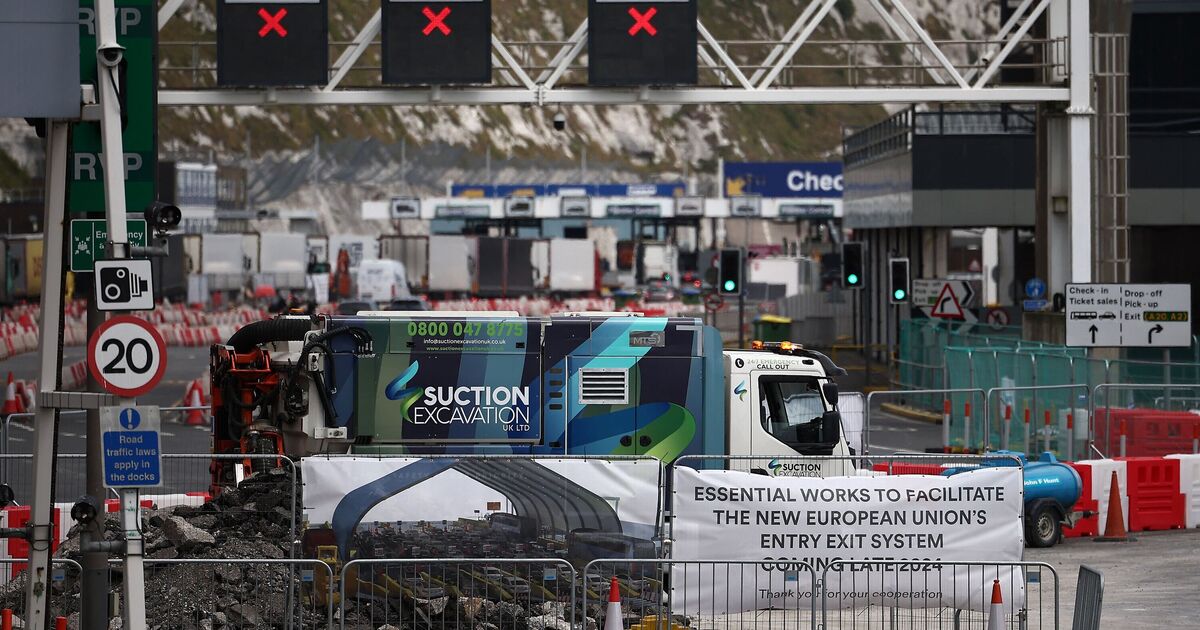
The Port of Dover is the UK’s busiest ferry port and Europe’s busiest passenger ferry terminal. At Dover and the Eurotunnel, checks take place before passengers cross into France, meaning delays can quickly lead to long queues of cars and coaches in Kent.
The Port of Dover's chief executive, Doug Bannister, previously warned that summer traffic could result in serious congestion, with around 12,000 vehicles a day expected during summer. Earlier modelling suggested queues could potentially reach 12 hours in a worst-case scenario, although later estimates placed likely delays at between six and eight hours.
During the May bank holiday, French authorities temporarily paused additional checks at Dover after queues stretched to around four and a half hours.
The government has announced extra measures to reduce disruption, including additional French border staff, more traffic management support and increased capacity at passport processing points.
Transport Secretary, Heidi Alexander, said: "We are doing everything in our power to keep holidaymakers and hauliers moving, and we are grateful to the French authorities for their close collaboration in helping to minimise disruption.
"We are also investing over £20million to help improve vehicle flow and increase passport booth capacity at Dover to help reduce delays in future years."
She added: "This kind of scaremongering helps no one, and it fails to take account of the extensive preparations that have been underway for months."