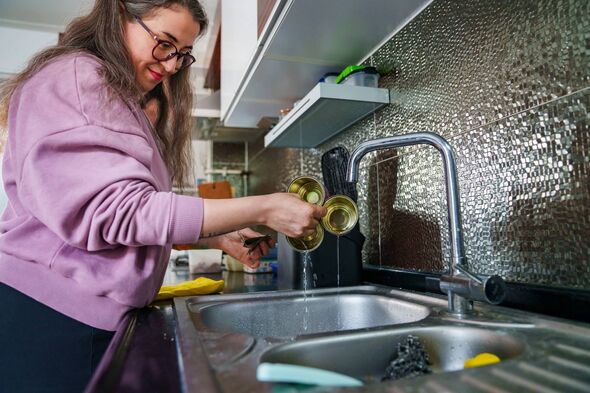

Households that routinely drain the liquid from tinned tuna down the sink have been urged to think twice, following a fresh warning about the potentially damaging consequences — not only for kitchen plumbing but for the wider sewer network.
On Friday (June 26), BBC DIY SOS presenter Nick Knowles appeared on Morning Live to shed light on the growing problem of fatbergs. These are enormous, solid blockages formed from fats, oils, and greases that bind together with other waste matter, wreaking havoc on drains and sewer systems across the country.
Fatbergs can cause severe flooding in homes, lead to raw sewage overflowing into rivers and waterways, harbour antibiotic-resistant superbugs, and rack up millions of pounds in costly manual and high-pressure extraction work. Anyone suspecting a blockage near their property is advised to contact their water provider as a first step.
To reduce the risk of falling victim to the grim consequences of a fatberg, Nick Knowles warned viewers against disposing of certain food items down toilets and sinks. One item he specifically flagged was the liquid from tinned tuna, reports Wales Online.
"Don't pour your oils down the sink. I mean, most people know not to pour oils down your sink in the bathroom or in your kitchen now. But actually, most of us will drain a tin of tuna into the sink. With the oil that's in a tin of tuna, or maybe the fat from an air fryer, or coffee grounds, all these things, add to create a block."
To avoid blocked pipes and fatbergs, it is essential to keep oils and fats well away from your drains at all times. Instead, small amounts of liquid can be soaked up using kitchen roll and thrown in the bin, poured into a sealed container, or saved for future use in cooking.
Refrain from tipping tuna brine or oil down the sink. While brine is largely made up of water and salt, residual fish oils or particles that enter the drain can build up, combine with soap, and cause serious plumbing blockages or fatbergs.
After cooking with oil, Nick recommends leaving it to cool fully before scraping it into a disposable container. "Like a baked bean tin or anything else that you're throwing, and put them in the bin and get rid of them that way", he said.
?????? Fatbergs can cause serious damage to sewers and even your home.
DIY SOS' Nick Knowles explains what you should never flush down the drain, the signs a blockage could be nearby, and what you can do if there's a fatberg under your street.
Watch ?????? https://t.co/wtHyyA4jkD pic.twitter.com/hrCOoVHCEW
— BBC Morning Live (@BBCMorningLive) June 26, 2026
Further items he cautions against pouring down drains include food grease, food scraps and coffee grounds. He also issued a stern warning to households with a toilet.
He urged viewers to never flush cotton buds, nappies or wet wipes down the toilet. He said: "Wet wipes in particular... All the governments, England, Scotland, Wales, and Northern Ireland, are going to be stopping the use of plastics in wet wipes, which will actually be a major boon in terms of stopping that happening."
All four nations of the UK have come together to prohibit the sale and distribution of single-use wet wipes that contain plastic, like synthetic polymer fibres, in an effort to combat microplastic pollution and safeguard sewer systems. The timelines for phased enforcement are as follows:

Nick also set out a number of tell-tale signs that suggest a likely blockage in your drains or the local sewer network. These include: To put into perspective just how vast fatbergs can grow, Nick provided some jaw-dropping comparisons.
He said: "In cities, you can go on tours and walk through the drains. A fatberg found near Terminal Five at Heathrow was the size of seven hundred suitcases, or the equivalent of five football pitches."