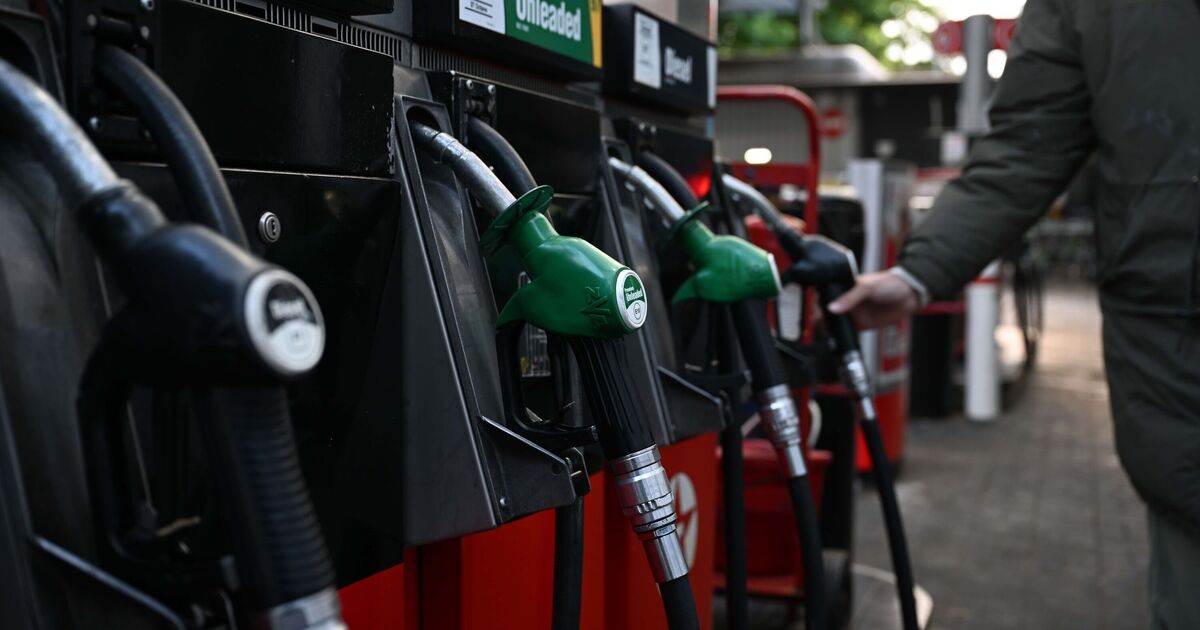

UK drivers have been warned against filling up a full tank of diesel or petrol as a way of saving money and looking after your car.
A full tank adds extra weight and henceforther reduces your mileage. Filling up just above halfway however, keeps fuel from overheating and stops internal moisture condensation.
Not filling up the whole way makes the vehicle slightly lighter and will marginally improve your overall mileage on daily commutes.
In most cars, having a full tank adds around 40 kilogrammes which forces the engine to work slightly harder during regular acceleration.
Studies show that reducing a vehicle's weight by 45 kilogrammes can improve fuel efficiency by nearly two per cent.
Hence, although a tiny difference, not filling up the whole way can save money in the long run.
Having a nearly empty tank does save weight however there are further risks to this.
It could cause internal engine parts to get damaged.
The electric fuel pump relies on the submerged petrol to remain cool and properly lubricated when the car is running.
If constantly driving on less than a quarter of a tank this can also lead to overheating and damage the highly sensitive fuel pump.
A near empty tank also allowed humid outside air to fill the vacant space which causes condensation to quickly build.
This can cause water droplets to form inside the metal or plastic tank which mix with the petrol.
Having a tank higher than half full stops this moisture buildup.
According to reports, ensuring your tank is over 50 per cent full on a daily basis is the most financially beneficial way to run your car.


