
A massive change for anyone who rides a motorcycle. scooter or e-bike is potentially coming. The Goverment is planning a big overhaul of the rules in this area - and it may also tackle the current issue of scooter riders seemingly able to ride around indefinitely on learner plates.
The consultation process ended last week (May 11) and the The Motorcycle Industry Association (MCIA), the National Motorcyclists Council (NMC), and the National Motorcycle Dealers Association (NMDA) have jointly submitted a comprehensive response to the Department for Transport.
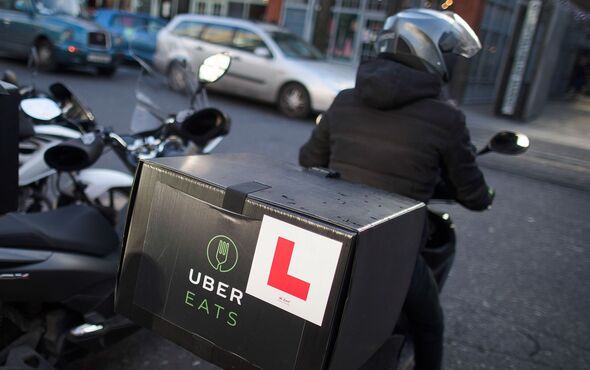
One key area people have commented on is how they see moped drivers everywhere with L plates - actually working as delivery drivers. On Reddit one user said: “I was driving in the centre of the capital last night for the first time in years and literally 100% of the very numerous motorbike delivery drivers have L plates on. What’s the scam? Given how most of them were driving I think the L plates were not undeserved.”
Another added: “I would have thought it would be impossible to get suitable insurance if you have only passed your CBT and are using a moped for work purposes. Is that not the case?!” A user said: “Motorcyclist here and I’d honestly like to see it legislated to make it illegal to operate as a delivery rider without holding a full license.”
One explained: “Because you never have to pass a test. A CBT once every 2 years and you can ride with L Plates indefinitely without having the cost of lessons and tests to worry about.”
The DfT consultation document says: “The CBT certificate lasts for two years. The presumption is that, during those two years, the learner rider will undertake further training to prepare them for taking their test, take their test and get a full licence. However, we know that a proportion of riders take CBT and don’t go on to take their theory and practical tests to gain a full motorcycle licence.”
Read more: Greater motorcycle use could slash traffic by 40 percent and cut emissions
Read more: Huge driving law changes could be introduced to allow motorcycles in bus lanes
Each year 180,000 CBT certificates are issued with just 40,678 motorcycle tests passed - suggesting many do not go on to take the full test. The document says: “When the legislation was originally made, it was not envisaged that people would remain as permanent learners. The assumption was that people would take a CBT to learn the basics of riding a motorbike and, after further training, then go on to take their test and gain a full motorcycle licence. However, time has moved on and how people use motorbikes and mopeds has changed. There is an increasing concern, expressed by a number of involved groups including the public, road safety experts and MPs, about road safety risks involving motorcyclists.”
The motorcycle bodies’ joint response described the current system as ‘verly complex’ and backed safety measures. It backed changes to encorages learners to move from temporary states, said the motorcycle testing should move from a two-part structure to a single full test, new categories for electric vehicles, and ‘regulate pathways’ for low-speed electric mobility vehicles – which ‘would tackle the urgent problem of illegal and unsafe riding among young people by providing legal and attractive entry routes for younger and new riders, steering them into compliant options, reducing the uptake of unsafe illegal alternatives, and help shape safer, more sustainable travel habits from the start’.
MCIA CEO, Tony Campbell, said: “This consultation represents a significant opportunity to modernise the current licensing system that, over the years, has become increasingly complex, expensive and has failed to improve road safety.
“Whilst improving road safety must remain central to any reform, changes to the licencing system must also encourage and support accessibility and affordability. Currently, gaining a licence under existing rules is financially out of reach for many.
“Reform must not create additional barriers as this will only push riders towards illegal and unregulated alternatives which is already evident in towns and cities across the country.
“Government’s objective must be to develop a licensing, training and testing framework that produces better-trained riders leading to improved safety, encourage progression through the various licence categories whilst positively supporting how people can move and travel in today’s society.”
To read the full consultation document click here.