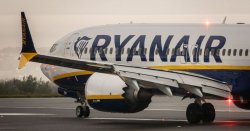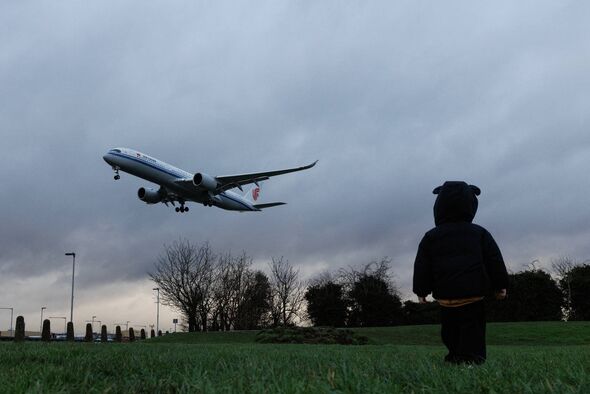

Britain faces the threat of jet fuel rationing due to shortages arising from the Iran conflict, an expert has warned.
With supplies potentially falling to "critically low levels", alarm has mounted over Europe's jet fuel market and the knock-on effects this could have on travel this summer. Carriers including KLM and Lufthansa have already grounded flights amid concerns over fuel availability.
Now, Goldman Sachs, one of the world's most powerful investment banks, has warned that the continued closure of the Strait of Hormuz has created "extreme tightness" in the market, with the UK particularly vulnerable owing to its limited stockpiles, heavy dependence on imports, and restricted refining capacity. As a result, rationing is believed to be under consideration as a means of sustaining the travel industry.
Jet fuel prices have doubled since hostilities broke out on February 28, prompting stark warnings from Keir Starmer that holidaymakers may need to reconsider their travel plans.

Goldman Sachs said in a research note: "The UK is the largest net importer of jet fuel in Europe, and it holds no strategic reserves, leaving commercial inventories as the primary buffer. As a result, inventories in some countries, especially the UK, could fall to critically low levels, increasing the likelihood of rationing measures." The Gulf region accounts for approximately one-fifth of globally traded fuel, and with Europe heavily reliant on those supplies, airlines are now vying for alternative sources - pushing prices up further.
According to The Times, Goldman Sachs highlighted that the UK, as Europe's biggest net importer of jet fuel, has no strategic reserves and depends chiefly on commercial stockpiles as a cushion. Those levels, particularly in Britain, risk dropping perilously low, raising the prospect of rationing.
Any prolonged shortage would probably compel airlines to axe or merge flights while driving ticket costs upward. Fuel represents as much as a quarter of airline operating expenses. IAG, the parent company of British Airways, has already signalled it will increase fares to counter higher fuel costs, admitting it is "not immune" to continuing volatility despite hedging measures.
Air France expects its jet fuel bill to climb by $2.4billion (£1.77million) this year, while American Airlines anticipates a rise of more than $4billion (£2.96million) - expenses that are projected to result in higher fares and fewer perks for passengers.

While UK ministers have suggested supplies can be obtained from elsewhere, industry leaders are less confident. Ryanair chief Michael O'Leary said airlines are "desperately" searching for flights to cancel and could start doing so within weeks. Fuel suppliers have also cautioned that the UK has the "most limited visibility" across Europe regarding jet fuel supply, primarily due to its reliance on Middle Eastern imports.
The European Commission confirmed it would publish guidance to airlines this week, with a spokesperson acknowledging that uncertainty remains elevated and preparations are under way for multiple scenarios.
Analysts also highlighted the UK's diminished refining capacity following the closure of the Grangemouth refinery - Scotland's only oil refinery - last April. Questions had also been raised about the future of the Prax Lindsey refinery in north Lincolnshire, though its new owner, Phillips 66, stated the recent acquisition should help stabilise supply.
A report from the Tony Blair Institute contended that Europe's climate-focused energy policies have driven up prices - two to three times those of competitors - and heightened dependence on imports.
Fuel suppliers indicated May demand should remain manageable but cautioned that disruptions could commence by mid-to-late June if the Strait of Hormuz remains closed.