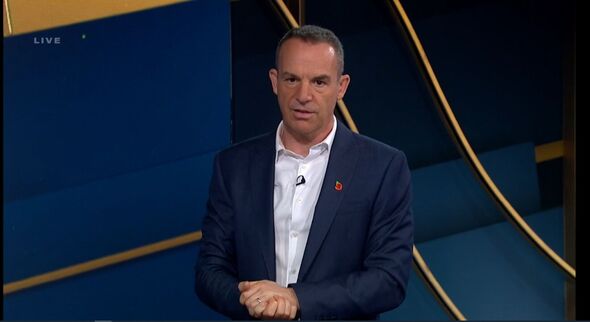

Martin Lewis took a break from money advice to share an urgent warning over the symptoms of meningitis.
The spread of invasive meningococcal disease has led to with the UK Health and Security Agency promising to issue daily updates on cases, with as many as 20 now reported in the UK with two deaths.
The UKHSA called the crisis a ‘rapidly evolving situation’ and warned there may still be more cases to come.
Now Money Saving Expert founder Martin Lewis has shared the early symptoms list for meningitis in a bid to help people recognise the signs early and get treatment. Antibiotics remain the most effective way to treat meningococcal disease.
Martin posted on X: “I was just reading about the cases of invasive invasive meningococcal disease in Kent. I noticed this early symptoms list and thought it may be worth sharing
Read more: Martin Lewis issues warning to people with £11,000 in savings
Read more: ‘Worrying’ new law for dog owners with unlimited fine and prison from Wednesday
"The onset of illness is often sudden and early diagnosis and treatment with antibiotics are vital. Early symptoms, which may not always be present, include:
- a rash that does not fade when pressed with a glass
- sudden onset of high fever
- severe and worsening headache
- stiff neck
- vomiting and diarrhoea
- joint and muscle pain
- dislike of bright lights
- very cold hands and feet
- seizures
- confusion/delirium
- extreme sleepiness/difficulty waking
“This came from this page where there is more.”
Martin then linked to the UKHSA guidance here.
Martin was then forced to defend his post after backlash, adding: “I can't believe some of the responses to this post. I had no clue I was stepping into anything! I was interested in the symptoms list of a disease in the news, not making a political point.”
The UKHSA said antibiotics “remain the most effective treatment to limit the spread” of meningitis.
It said: “GPs across the country will today be advised to prescribe antibiotics to anyone who visited Club Chemistry between 5-7 March and to University of Kent students, if they have been asked to seek preventative treatment.
“This is so that anyone who has travelled home, or away from Kent, can easily access this important preventative treatment close to them.
“Given the severity of the outbreak, and as an additional precautionary measure, a targeted vaccination programme will begin, starting with students that are residents of the Canterbury campus halls of residence at the University of Kent who will be contacted directly.
“Initially, it’s expected that up to 5,000 students will be contacted and offered the vaccine. UKHSA will continue to assess ongoing risk to other populations and the programme may be extended.”